September 17, 2026
Explore the intricate world of car detailing to understand its effects on your vehicle's paint and why it plays a crucial role in maintaining both aesthetics and value. In today's automotive culture, the desire to maintain a vehicle's showroom shine has spurred the growth of car detailing as an essential practice for car enthusiasts and everyday drivers alike. This meticulous attention to detail helps to preserve the integrity of the paintwork, which is often considered the "skin" of your vehicle. Understanding how detailing affects this critical component can lead to not only a more beautiful vehicle but a longer-lasting and more valuable one as well.
The Basics of Car Detailing
What is Car Detailing?
Car detailing is a comprehensive cleaning process designed to enhance and maintain the appearance of a vehicle, both inside and out. Unlike a simple car wash, detailing focuses on small details, such as removing contaminants and providing protective layers that last longer. It's a labor-intensive process that often includes cleaning and reconditioning of the vehicle's exterior and interior to achieve a high level of cleanliness and polish. Detailing can involve both standard tasks, such as washing and vacuuming, and specialized procedures, such as clay bar treatment and paint correction. The overall goal is to enhance the vehicle's appearance while also preserving its condition.
The Difference Between Washing and Detailing
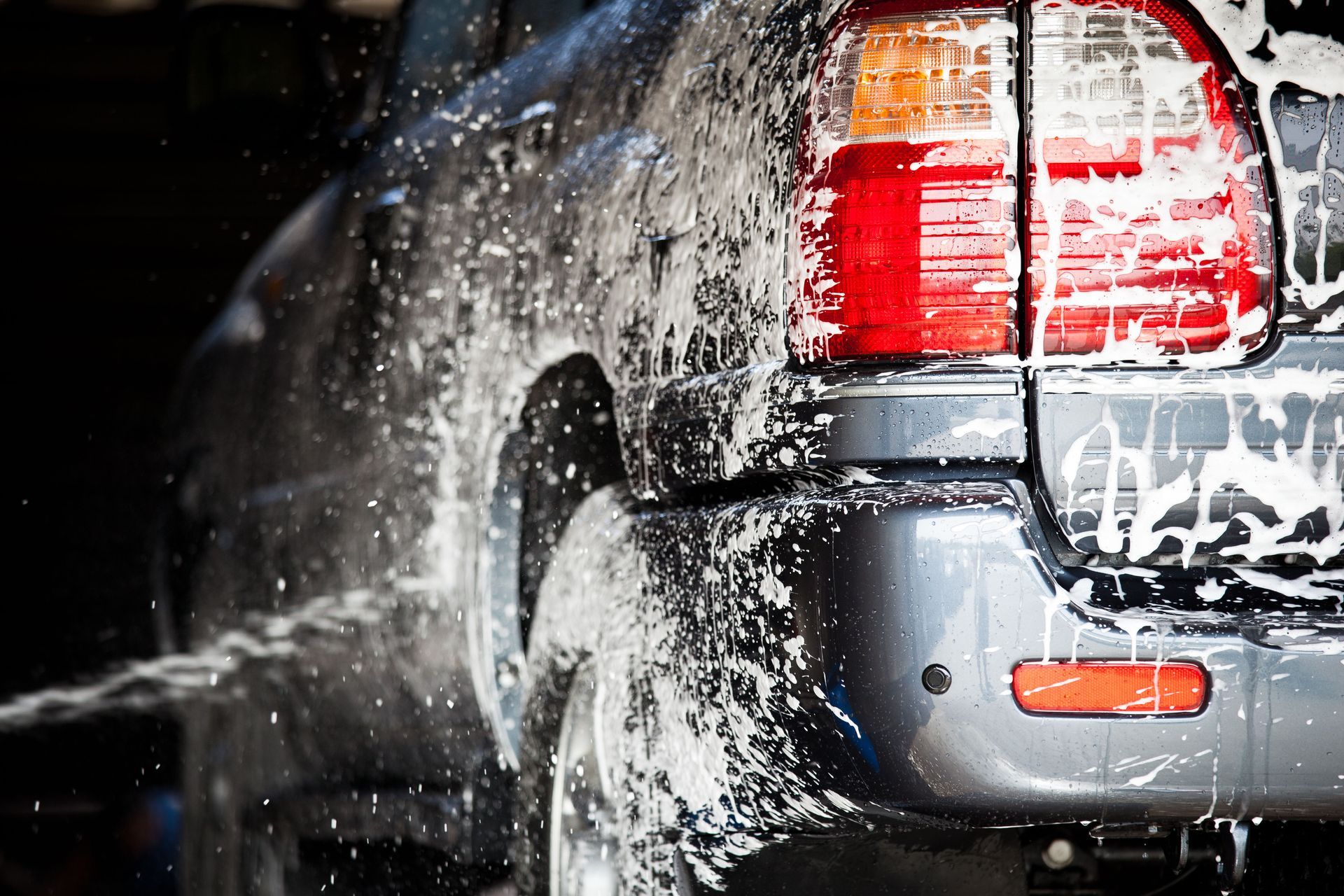
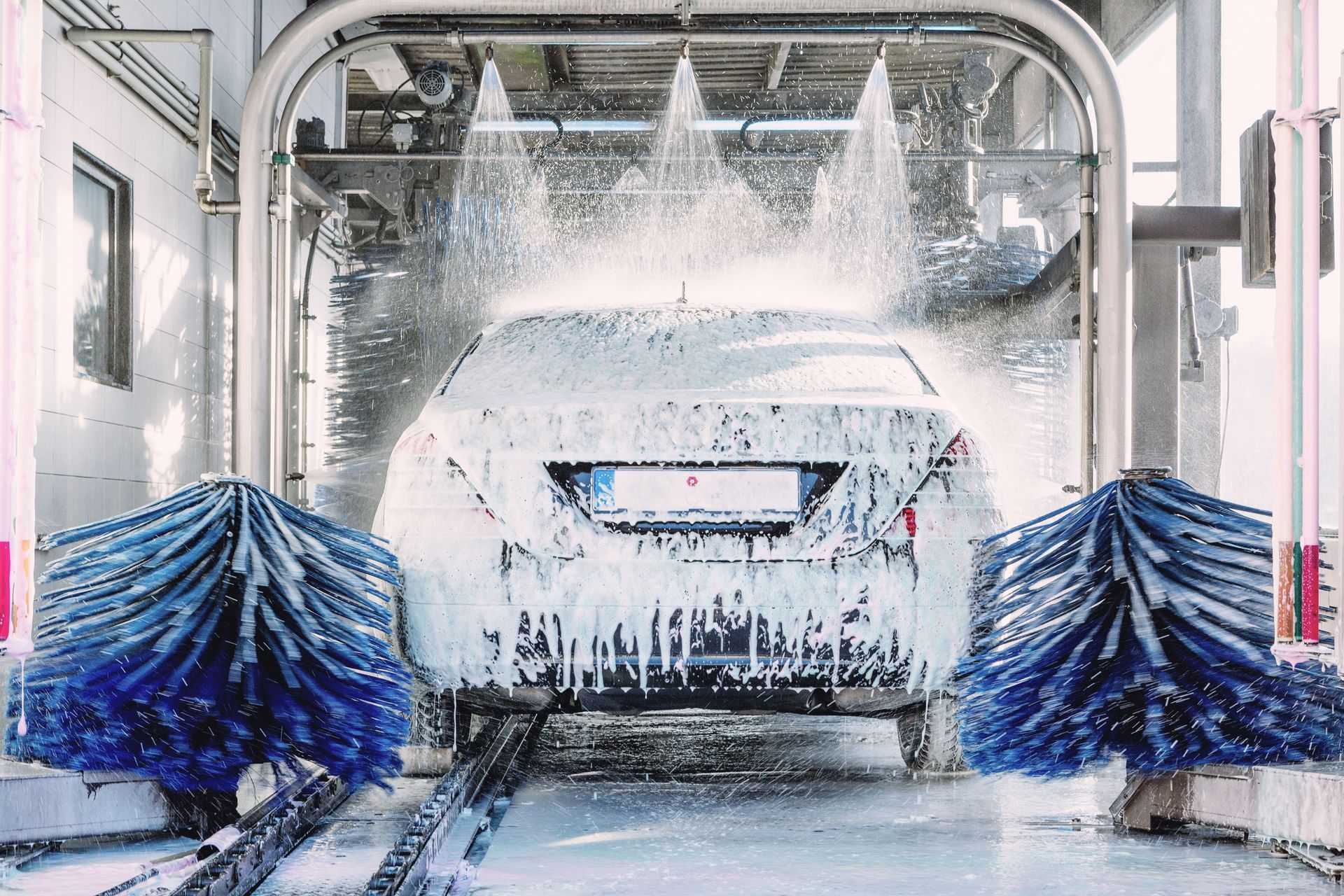
A typical wash is focused on removing dirt and debris from the surface of your car and may last only a short time. Detailing, however, goes beyond the superficial layer to address underlying contaminants that can shorten the life of your vehicle's paint. According to Panda Hub, a thorough detailing session can last anywhere from two to four hours and includes washing, waxing, and other intricate processes. The distinction lies in the depth of cleaning and the application of products designed to protect the paint and other surfaces over time. Therefore, detailing acts as a preventative measure that keeps your vehicle looking new longer and guards against elements that can cause damage.
Common Techniques Used in Detailing
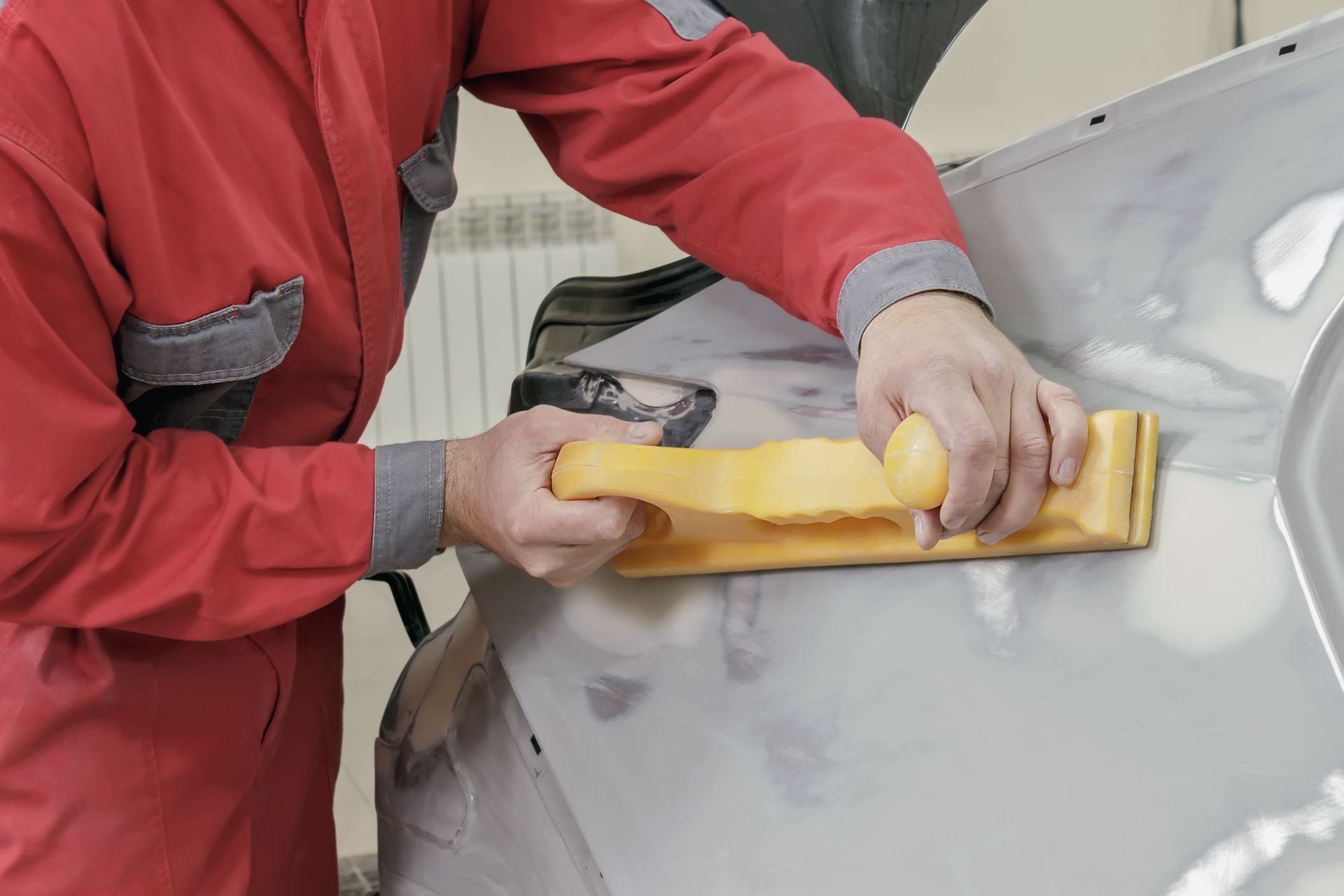
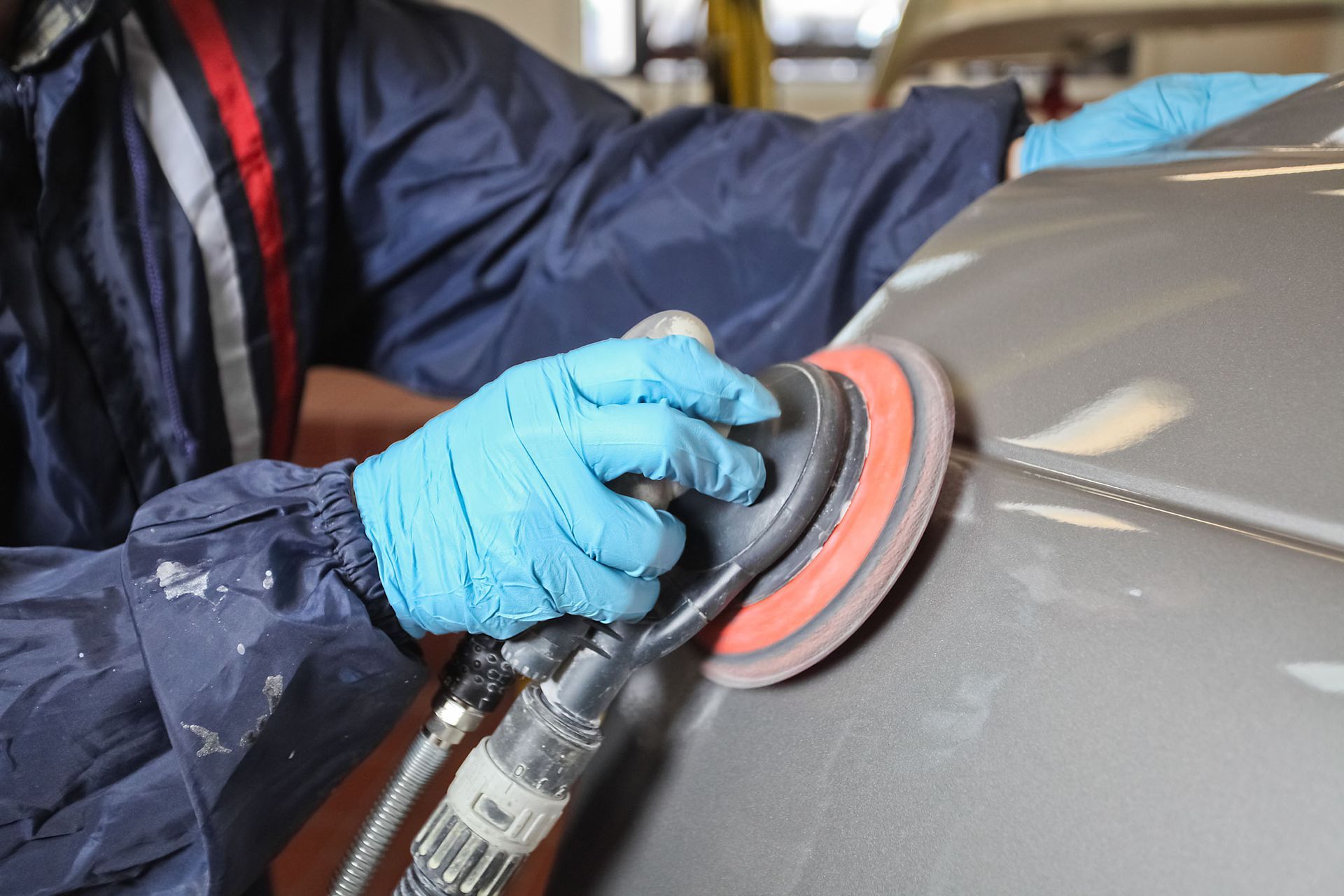
Some of the most common techniques in car detailing include paint correction, clay bar treatment, and machine polishing. Paint correction involves removing surface imperfections using abrasives to restore the original paint finish. Clay bar treatment helps in removing bonded contaminants that washing cannot eliminate, preparing the paint for polishing and waxing steps. Machine polishing is employed to perfect the surface and enhance the paint's shine after any imperfections are removed. These techniques are performed with precision and care, often by trained professionals, to ensure they are executed safely and to maximum effect.
How Car Detailing Affects Paintwork
The Impact of Polishing on Paint Health
Polishing plays a vital role in maintaining the health of your vehicle's paint. Over time, surface scratches, swirls, and oxidation can dull the appearance of the paint, making it look aged. Polishing addresses these imperfections by gently removing a tiny layer of the clear coat to reveal a fresh, unblemished surface. However, it's important to use appropriate tools and techniques to avoid causing further damage. Regular polishing, when done correctly, prolongs the life of the clear coat, offering both aesthetic improvement and protective benefits.
The Role of Sealants and Waxes
Sealants and waxes are essential in long-term paint protection, acting as barriers against harmful environmental elements like UV rays and acid rain. Car sealants contain synthetic polymers, providing a stronger bond to the paint surface compared to natural waxes. This results in longer-lasting protection and a durable, high-gloss finish. Wax offers a rich, warm shine but typically requires more frequent reapplication. Both products are key to maintaining the paint's luster and preventing premature degradation from external pollutants.
Addressing Scratches and Imperfections
Detailing is adept at addressing scratches and imperfections that can mar a car's appearance. Light scratches often only affect the clear coat and can be corrected through polishing techniques. Deeper scratches, which reach the base coat, require more specialized methods like touch-up paint or even full panel repainting. Regular detailing reduces the risk of scratches by providing a protective layer that shields against minor abrasions. Attention to these imperfections not only enhances appearance but also safeguards against further damage.
Preventing Paint Oxidation
Oxidation occurs when the paint loses oils and degrades over time, resulting in a dull and chalky finish. Detailing mitigates oxidation by constantly restoring and protecting the paint surface. This involves the application of protective products, such as waxes and sealants, which retard the effects of UV exposure and environmental pollutants. Consistent detailing treatments stimulate the paint's natural oils, maintaining flexibility and resilience. Preventing oxidation is a key factor in preserving the visual appeal and longevity of automotive paint.
Benefits of Regular Car Detailing
Aesthetic Appeal
Regular car detailing significantly boosts a vehicle's aesthetic appeal, elevating a car from looking average to show-room ready. A detailed car not only turns heads but also becomes a source of pride for the owner. Consistent upkeep keeps the paint surface glossy and the color vibrant. Detailing covers all bases, from addressing paint imperfections to cleaning hard-to-reach areas, bringing out the best in a vehicle's design elements. The result is a well-maintained car that leaves a lasting visual impression.
Vehicle's Value
A well-detailed car is often perceived as well-maintained, positively affecting its resale value. Potential buyers are more likely to pay a premium for a car that has been kept in excellent condition, both mechanically and aesthetically. The investment in professional detailing can yield significant returns by raising the vehicle's market value. Buyers appreciate the condition of a freshly detailed car, associating a pristine exterior with overall vehicle care. Regular detailing plays a crucial role in maintaining this perception, thereby preserving the vehicle's value.
Protection Against Environmental Damages
The environment poses various threats to a vehicle's paintwork, and regular detailing acts as a buffer against these damages. Pollution, dirt, and weather elements can aggressively wear out the clear coat, leading to faster degradation. Detailing involves applying protective waxes and sealers, creating a sacrificial barrier that absorbs these environmental assaults. This layer dramatically reduces the impact of contaminants, maintaining an attractive finish for a longer period. By acting as an environmental shield, detailing prolongs the paint's life and keeps the vehicle looking its best.
Challenges and Risks of Detailing
Potential Paint Damage from Improper Techniques
While detailing has numerous benefits, improper techniques can lead to unintended paint damage. Mistakes such as using aggressive chemicals or incorrect tools can cause scratches and wear down the protective clear coat improperly. Cutting corners might also lead to swirl marks or holograms, which degrade the paint's appearance. These errors highlight the importance of using skilled professionals. Detailing must be done carefully and with the right resources to ensure enhancement rather than harm.
Chemical Sensitivities
Chemical sensitivities play a critical role in detailing, as not all products are suitable for all vehicles. Certain paints react poorly to aggressive chemicals, which may result in etching or discoloration. Inexperienced detailers might inadvertently use incompatible products, leading to repair challenges longer term. Understanding these sensitivities is pivotal to the safe application of products that enhance quality without compromising the underlying surface. Detailed knowledge prevents the inadvertent degradation of the vehicle's paint and is an essential aspect of effective detailing practices.
Professional Detailing Pitfalls
Even professional detailing services are not devoid of potential pitfalls that customers must be wary of. Some detailers may lack adequate training, increasing the risk of suboptimal results or damage. Therefore, evaluating a professional service based on reviews, experience, and certifications provides reassurance about their competence. Additionally, consider seeking clarity about the specific techniques and products to be used, which can impact the level of care your vehicle receives. By identifying such pitfalls, car owners can ensure they receive the highest standard of detailing service.
Far beyond a simple wash, detailing delves into cleaning, restoring, and protecting the various elements of your car. If you're looking for reliable
car detailing services, reach out to Chino Hills Car Wash today!